2026-09-23 · Rick Malone
Signs Your Springfield Home Has A Sewer Backup
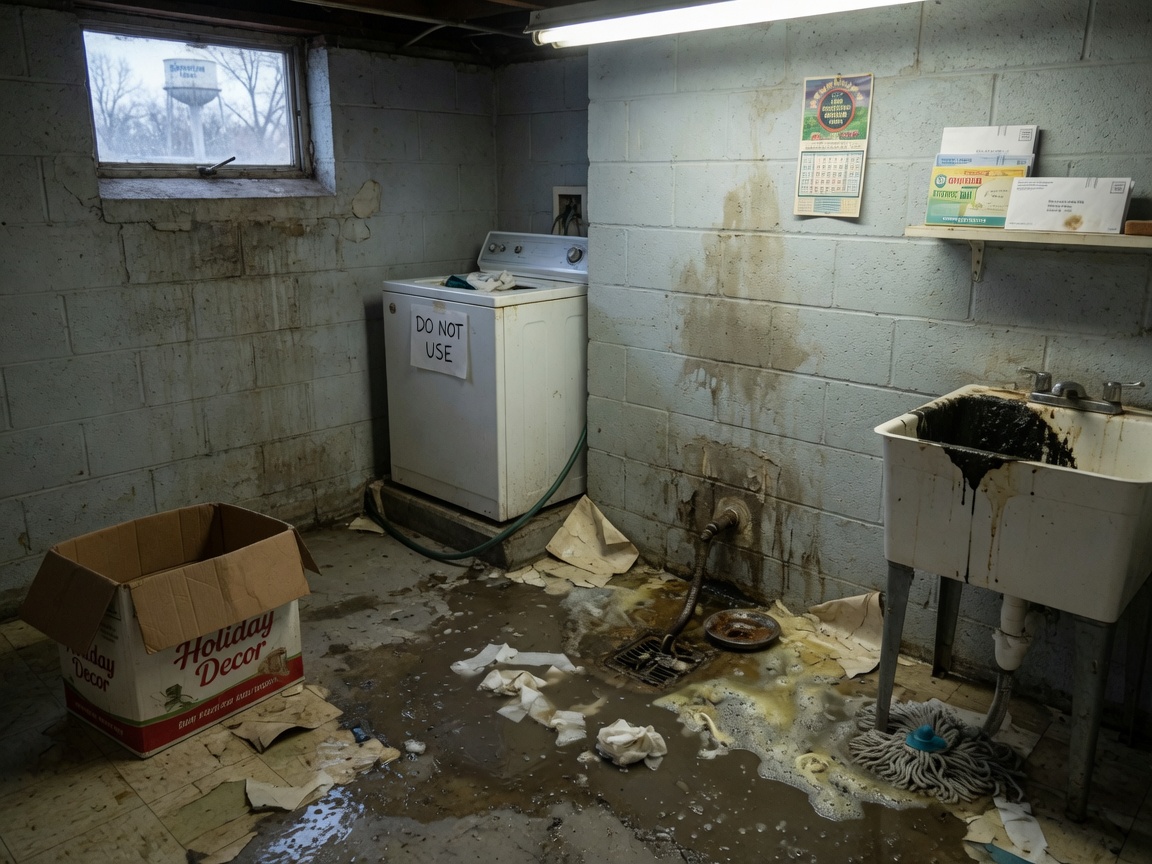
Springfield homes typically first show sewer backup through gurgling sounds in toilets or tubs, multiple slow drains at once, and sewage odors rising from floor drains or cleanouts. These signs appear most often in homes built before 1980 in areas such as West Springfield and Springfield Forest where clay sewer lines run close to mature tree roots.
Gurgling Drains and Multiple Slow Fixtures
Gurgling occurs when air gets trapped behind a partial clog in the main line, and it usually starts in the lowest fixtures first. In North Springfield and Downtown Springfield, many 1960s split-level homes have 4-inch clay mains that crack at joints, letting roots enter and restrict flow. When two or more fixtures back up together, such as a basement shower and a first-floor toilet, the problem sits downstream in the main rather than in a single branch. Homeowners notice this pattern after heavy summer storms because stormwater infiltration raises the water table and pushes debris into already narrowed pipes. Checking the cleanout at the front of the house often reveals standing water that confirms the main is restricted before any interior flooding begins.
Foul Odors and Sewage Backflow
Sewage smells in basements or near floor drains signal that wastewater is no longer flowing freely to the street main. In Fairfax County homes near Lake Accotink Park, older cast-iron stacks corrode at the base and allow gases to escape upward when the line is blocked. The humid subtropical summers keep soil moist year-round, which accelerates root growth into small cracks and keeps those roots active longer than in drier climates. Residents in Springfield Plaza-adjacent neighborhoods report the odor strongest after several days of rain because saturated ground prevents normal evaporation and increases pressure on the line. A persistent smell even when fixtures are not in use points to a main-line issue rather than a local trap problem.
Local Soil, Roots, and Weather Patterns
Springfield's clay-heavy soils expand and contract with the hot humid summers, stressing rigid clay and cast-iron pipes that were installed decades ago. Tree roots from maples and oaks common along streets in West Springfield seek moisture and enter joints every 8–12 years on average. How Heavy Spring Rains Affect Sewer Systems Near Accotink Creek explains how sudden downpours overwhelm older mains and push roots deeper. When summer humidity stays high, the ground never fully dries, so roots remain active and clogs recur faster than in northern Virginia counties with colder winters. These conditions make camera inspections essential before any digging begins.
Using Camera Inspections and Repair Options
A Sewer Camera Inspection locates the exact distance and nature of the blockage without excavation. In neighborhoods such as Springfield Forest, crews often find roots 35–50 feet from the cleanout where the line crosses under driveways. Once identified, Main Sewer Backup Repair can clear the line or replace damaged sections. Homeowners in nearby Alexandria and Fairfax sometimes delay inspection until water appears in floor drains, which raises the chance of sewage entering living spaces. Early detection through camera work keeps repairs focused on the affected segment rather than full replacement.
Planning for Costs and Next Steps
Understanding repair scope early helps residents compare options before an emergency. What Springfield Residents Should Know About Sewer Line Costs outlines typical price ranges for root cutting versus sectional replacement in Fairfax County. Scheduling during regular business hours at 6950 Bethnal Ct avoids after-hours premiums that appear when backups reach living areas. Checking the cleanout before calling confirms whether the issue is on the property side or the county main, guiding the right service choice and preventing unnecessary work.